Jul 08, 2026 | Flooring America
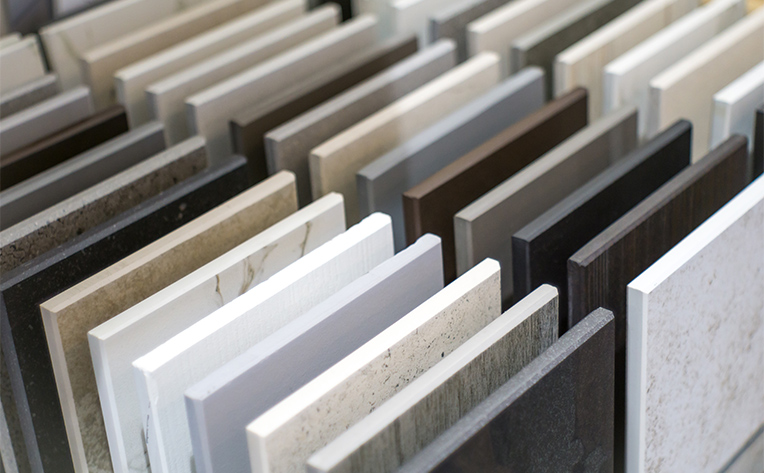
When it comes to flooring that works as hard as your household does, porcelain tile consistently rises to the top. It comes in a wide range of sizes, colors, and finishes, so whether you're drawn to the look of natural stone, rustic wood, or clean modern lines, there's a porcelain tile that fits your vision.
As your friendly flooring experts, we've put together this guide to help you find the right porcelain tile for your home, your style, and your life. Read on to explore what makes porcelain tile such a standout choice and how to find the perfect fit for every room in your home.
Porcelain tile is a type of ceramic tile made from dense, refined clay that is fired at extremely high temperatures. The result is a hard, non-porous material that resists moisture, stains, and heavy foot traffic better than most flooring options.
What does that mean for your home? Here's a few things worth knowing:
Not all porcelain tile is the same, and the type you choose can make a big difference in how your space looks and functions. Here's a breakdown of the most common options:
Porcelain floor tile is built for durability. It holds up beautifully in high-traffic areas and its moisture resistance makes it a natural fit for some of the hardest-working rooms in your home:
Porcelain wall tile brings the same durability and moisture resistance to your walls. It comes in a wide variety of designs, making it a versatile choice for both functional and decorative applications.
Mosaic tiles are small pieces of porcelain laid out in a pattern on a mesh backing, which keeps the design intact for easy installation. They are eye-catching by nature and add a layer of personality to any space.
The benefits of porcelain tile speak for themselves. Here's what makes it such a trusted choice for homeowners:
Porcelain is one of the hardest flooring materials available. Its dense composition makes it resistant to chips, scratches, and the kind of wear and tear that comes with busy households and high-traffic areas. Whether it's a mudroom that sees heavy foot traffic or a kitchen floor that takes a beating every day, porcelain holds up.
With a water absorption rate of less than 0.5%, porcelain handles moisture better than almost any other flooring option. And because it is non-porous, spills sit on the surface rather than soaking in, making cleanup quick and easy. It's a smart choice for bathrooms, kitchens, laundry rooms, and anywhere else water and messes are part of daily life.
Porcelain tile does not require sealing the way natural stone does. Regular sweeping and mopping is typically all it takes to keep it looking great, which means less time on upkeep and more time enjoying your home.
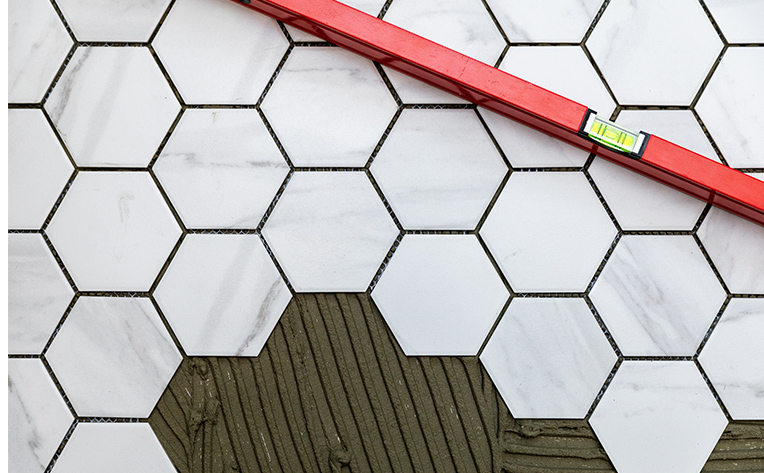
Porcelain tile is as flexible as it is durable. From wet, high-traffic bathrooms to breezy outdoor patios, it adapts to just about any space you can throw at it:
Bathrooms: Bathrooms are one of the most popular places to use porcelain tile. Its moisture resistance makes it well suited for floors, shower walls, and surrounding areas where water exposure is constant. Look for a textured finish in wet areas for added slip resistance.
Kitchens: Porcelain tile handles the demands of a busy kitchen with ease. It stands up to spills, heavy foot traffic, and dropped items without showing much wear. It's also easy to wipe down and disinfect, which makes it a practical and hygienic choice for cooking spaces.
Entryways and Mudrooms: High-traffic entry areas are where many floors show their age fastest. Porcelain's durability makes it a natural fit here, handling dirt, moisture, and heavy use day after day without skipping a beat.
Laundry Rooms: With water, humidity, and heavy appliances all in one space, laundry rooms benefit from a floor that can handle it all. Porcelain does exactly that.
Outdoor Spaces: Because porcelain is fired at such high temperatures, it can withstand the elements better than many other flooring materials. It holds up well against temperature changes, moisture, and UV exposure, making it a great option for patios, porches, and other outdoor areas.
Not sure how porcelain tile will look in your space? You don't have to guess. Try our innovative Room Visualizer tool to see any style, color, or finish in your actual home in just three easy steps. Simply take a photo, pick your tile, and see the transformation for yourself today.
With so many options out there, knowing what to look for makes the process a lot easier. Before you shop for porcelain tile, it helps to understand a few key factors that can affect performance and appearance.
Porcelain tile is rated by class, which indicates how well it holds up against abrasion and wear. Class 5 is the toughest and most durable, making it ideal for heavy use and high-traffic areas. Class 1, on the other hand, is not recommended for flooring at all. For most residential applications, a mid-to-high class rating is a safe bet.
Grade refers to the overall quality of the tile and is linked to thickness. Grade 1 is the thickest and highest quality option, while Grade 3 is the thinnest and is not recommended for flooring, especially in high-traffic areas. When in doubt, go with Grade 1 for floors.
The finish you choose affects both the look and feel of your space. Polished porcelain has a sleek, reflective surface that works well in modern interiors. Matte finishes offer a more understated look and tend to hide smudges and footprints better. Textured finishes provide added grip and are a smart choice for wet areas like bathrooms and outdoor spaces.
Beyond class, grade, and finish, here are a few other things worth keeping in mind:
Both ceramic and porcelain are made from clay, but porcelain is fired at much higher temperatures, making it denser, harder, and more moisture resistant. Porcelain absorbs less than 0.5% water compared to ceramic, which can absorb significantly more. Porcelain is generally the better choice for wet areas and high-traffic spaces, while ceramic can be a good fit for walls and lower-traffic areas.
Porcelain is one of the hardest flooring materials available, so it is not prone to cracking under normal conditions. However, because it is so dense, it can crack if the subfloor beneath it is uneven or unstable. Proper subfloor preparation before installation is the best way to prevent this.
Check the edge of the tile. Porcelain has color and density that runs through the entire body of the tile, while ceramic typically shows a different, lighter color at the cut edge. You can also look for a PEI rating or water absorption rating on the packaging, both of which are reliable indicators.
The tile itself does not need to be sealed, which is one of the advantages porcelain has over natural stone. However, the grout between your tiles does benefit from sealing to protect against moisture and staining. Resealing grout every year or two is a good habit to get into.
Porcelain is denser and heavier than ceramic, which makes it more demanding to cut and install. A flat, stable subfloor is essential, and a high-quality thin-set mortar designed for dense tile is a must. For most homeowners, professional installation is the way to go to make sure the job is done right.
Porcelain tile is one of the most durable, versatile, and low-maintenance flooring options available, and now you have everything you need to choose the right one for your space. From understanding class and grade ratings to knowing which finish works best in wet areas, the right porcelain tile is out there for every room and every style.
Our team of friendly flooring experts is ready to help you narrow down your options, answer your questions, and make sure you walk away with a floor you'll love for years to come. Contact us today to get started and find the perfect fit for your home.
